
Surf travel: discovering places through waves, people and local culture

Some trips are planned months in advance. Others begin much earlier, with a growing curiosity about a place you've never visited.
That's how we see surf travel at Wave Atlas.
Surfing might be the reason you book the flight, but it rarely becomes the reason you remember the trip. The memories usually come from somewhere else: a conversation after a morning session, a family-run café you end up visiting every day, or the local surfer who changes your plans with a simple recommendation.
These are the moments that shape a journey.
Surf travel starts before the first session
The experience begins long before you paddle into your first wave.
It starts when you decide you'd rather spend time getting to know a place than simply passing through it.
Stay somewhere for a few days and your perspective begins to change. You stop looking at a destination as a collection of attractions. You start recognising familiar faces, returning to the same cafés and understanding why people choose one beach instead of another depending on the wind.
Surfing naturally becomes part of that process.
In Morocco, Portugal, Sri Lanka, Costa Rica or the Philippines, the ocean influences everyday life in different ways. Spending time with local people helps you notice those differences far better than any guidebook ever could.
Travelling with local hosts changes the experience
The best recommendations rarely appear on Google Maps.
They're shared by the people who live there.
At Wave Atlas, every destination is built alongside local hosts who know the coastline better than anyone. They know which café fills up after the morning session, where you'll find the quietest beach on a busy weekend and how daily life changes with the tides, the seasons and the swell.
Travelling with local people also creates opportunities that organised tours often miss. A shared meal, an invitation to a local event or a last-minute change of plans can easily become the highlight of the trip.
Slowing down makes every destination feel different
Many people arrive with a list of places they want to see.
A few days later, that list often becomes less important.
Instead of rushing between beaches, you find yourself spending longer in one place. You notice small details that seemed invisible at first. You recognise the baker who opens before sunrise or the fisherman preparing his boat every morning.
The days stop feeling full because you're trying to do everything.
They feel full because you're paying attention.
The rhythm of surf travel
Surfing has its own timetable.
Some mornings the conditions are perfect. Other days you wait for the tide to change, explore a nearby village or simply sit by the ocean with a coffee.
That unpredictability becomes part of the experience rather than an inconvenience.
People often leave with a better understanding of the coastline than they expected, simply because they spent time observing instead of rushing.
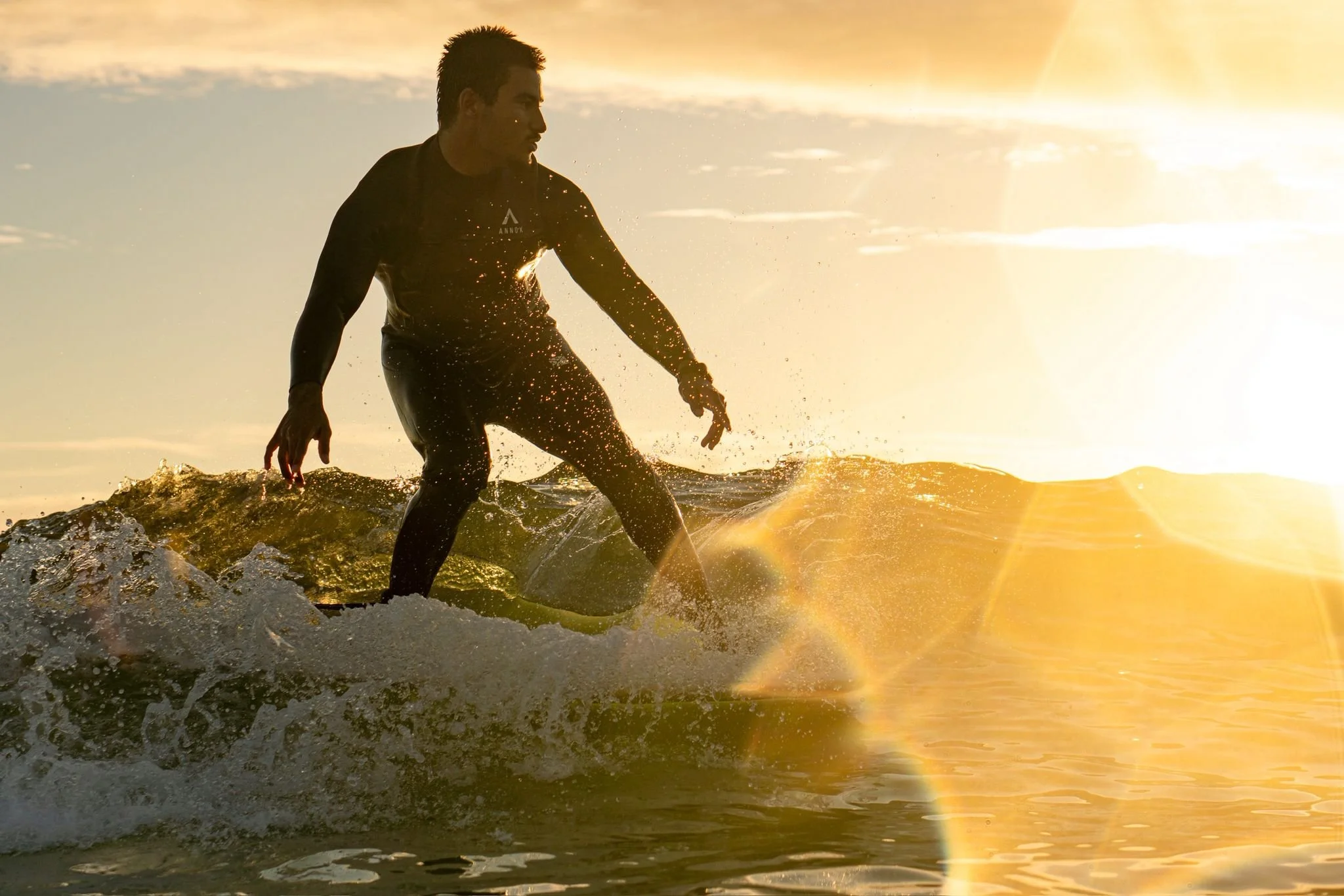
After a few days, you start noticing things you missed at the beginning
· You understand how the wind changes throughout the day.
· You begin recognising familiar faces in the lineup.
· Local routines start making sense.
· Time outside the water feels just as rewarding as the sessions themselves.
Small groups leave more room for real experiences
Travelling in a small group changes the atmosphere from the first day.
Plans stay flexible. Conversations happen naturally. It's easier to adapt to the conditions and much easier to connect with local communities.
Instead of moving through a destination as part of a large organised group, you become part of everyday life, even if only for a week.
That's the kind of travel we believe in.
The moments people remember
Ask someone about their favourite surf trip and they'll often mention the people before the waves.
The local surfer who lent them a board.
The family restaurant they kept returning to.
The sunset they watched after deciding not to surf because the conditions weren't right.
Those memories don't usually appear on an itinerary, yet they're often the ones that stay with you longest.
Travelling responsibly
Every coastline has its own character.
Looking after it doesn't require dramatic gestures, only thoughtful choices.
· Respect local surf etiquette.
· Support independent cafés, restaurants and accommodation.
· Choose local guides whenever possible.
· Leave beaches exactly as you found them.
· Take time to understand the community you're visiting.
Good surf travel should benefit the places that make it possible.
FAQs
What makes Wave Atlas surf trips different?
We build every experience together with local hosts, creating journeys that combine surfing, local culture and genuine connections with the communities we visit.
Will I meet local people during the trip?
Yes. Local hosts are a central part of every Wave Atlas experience, and many of the activities naturally bring travellers and local communities together.
Are the trips fixed or flexible?
We plan every trip carefully, but we always leave room to adapt. Surf conditions, weather and local recommendations often shape the best days of the journey.
What should I pack?
Your surf essentials, comfortable clothes and a little curiosity. The rest usually takes care of itself.
The best part of the trip isn't always in the water
Most people return home talking about the surf.
Then, almost without realising it, they start telling stories about the people they met, the meals they shared and the places they discovered between sessions.
At Wave Atlas, that's what surf travel has always been about.
Good waves bring people together. The destination, its culture and the people who live there are what make them want to come back.