
Surf experience: Why the Best Waves Are Only Part of the Journey
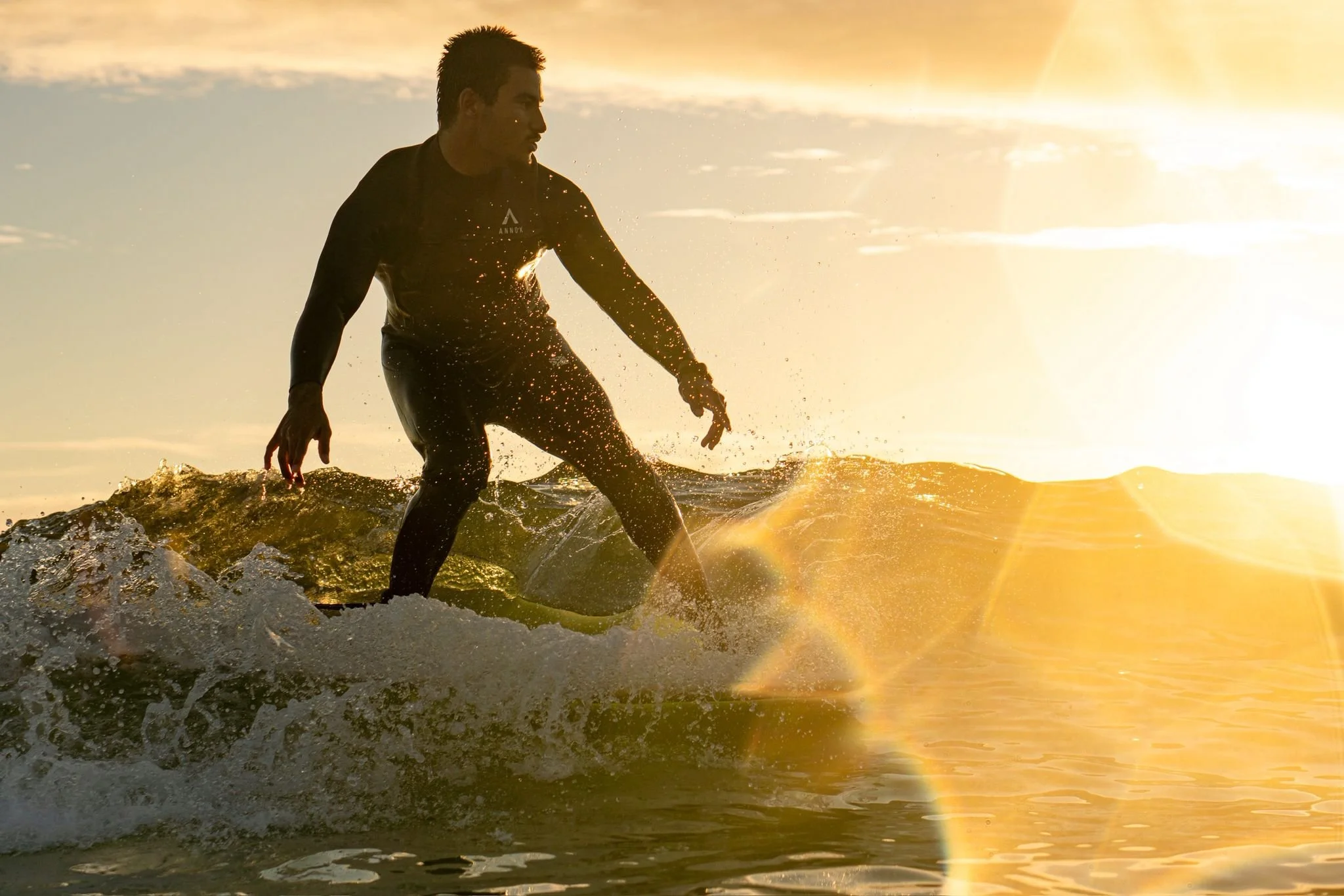
Ask any surfer what they remember most about a trip, and chances are it won't be their longest ride.
Good waves will always matter. Clean lines on the horizon still make your heart beat faster. But something shifts over time. You begin to remember the conversations more vividly than the rides. The family who invited you to dinner. The fisherman who pointed you toward a hidden reef. The market where you discovered ingredients you couldn't even name. The child who smiled every morning from the same corner of the village on your walk to the beach.
That's when surfing stops being simply a sport and becomes a way of understanding the world.
The most meaningful journeys are rarely measured by wave count alone. Instead, they're remembered through moments that couldn't have been planned—those spontaneous encounters that happen when you slow down, stay curious, and allow yourself to become part of a place rather than merely passing through it.That's what surf travel is really about: not ticking off famous breaks, but collecting experiences you'll remember long after the trip is over.
Throughout this article, we'll explore why the most memorable surf journeys happen when culture, gastronomy, local traditions, and surfing naturally intertwine. Because sometimes, the best story of the trip begins long after you've left the water.
Surf experience
Ask most surfers what makes a great surf trip and the first answer will probably be the waves. And while that's certainly important, it's rarely the complete picture.
A great surf trip is made up of different moments. The ocean brings you there, but everything around it is what gives the trip its character.
Think about it. Two people may surf exactly the same break under identical conditions, yet return home with completely different memories. Why? Because one rushed from airport to accommodation, surfed, ate familiar food, and left. The other wandered through local neighborhoods, shared meals with residents, learned about regional customs, listened to family stories, and discovered why that coastline matters to the people who call it home.
The second traveler doesn't simply remember the wave.
They remember its context.
Surfing becomes a common language rather than the final objective.
Instead of chasing one destination after another, travelers begin asking different questions:
Who lives here?
What stories shaped this coastline?
What traditions survive because of the ocean?
How can I contribute positively while I'm here?
Ironically, these questions often lead to richer surfing as well. Local knowledge, respect, patience, and genuine curiosity frequently open doors that maps and travel blogs never could.
Because the best waves don't exist in isolation.
They're part of communities.
Learning from the communities you visit
No one knows a coastline better than the people who live there.
Sometimes they're experienced surfers who have spent decades reading the tides. Sometimes they're restaurant owners preparing recipes passed down through generations. Sometimes they're artisans, fishermen, musicians, or grandparents sitting outside their homes watching another sunset over the sea.
The greatest lesson a traveler can learn is that visiting a destination doesn't automatically mean understanding it.
Understanding requires listening.
Rather than arriving with expectations, meaningful surf travel begins with curiosity.
Asking questions.
Listening more than you speak.
Accepting invitations when appropriate.
Observing local rhythms instead of trying to impose your own.
Many coastal communities have deep relationships with the sea that extend far beyond recreation. For generations, the ocean has provided food, identity, livelihoods, spiritual meaning, and resilience.
Recognizing this changes your perspective completely.
Instead of seeing a surf spot as another location on a map, you begin to appreciate it as someone's home.
Simple gestures make a remarkable difference:
Learn a few words in the local language.
Buy products from independent businesses.
Respect local surfing etiquette.
Be patient with different cultural norms.
Leave beaches cleaner than you found them.
Appreciate traditions without trying to reshape them.
Why meaningful surf travel leaves a positive impact
Travel has an impact. The question is what kind of impact you want to leave behind.
It starts with small choices.
Where you stay.
Where you eat.
Who you support.
How respectfully you behave.
Small decisions, multiplied across thousands of travelers, shape the future of coastal communities.
Responsible surf travel isn't about perfection.
It's about intention.
Frequently Asked Questions
What makes a surf trip truly memorable?
A memorable surf trip combines quality waves with authentic cultural experiences, meaningful conversations, local gastronomy, and genuine connections with the destination.
Why is local culture important during surf travel?
Understanding local traditions creates a deeper appreciation of the places you visit while encouraging respectful interactions with the communities that make each destination unique.
Can beginners enjoy this type of surf travel?
Absolutely. Experiencing local culture doesn't depend on surfing ability. Whether you're catching your first wave or your thousandth, meaningful travel is accessible to everyone.
How can travelers support local communities?
Choosing locally owned accommodation, eating at independent restaurants, purchasing handmade products, hiring local guides, and respecting local customs all contribute positively.
Conclusion
The trips you'll remember most aren't necessarily the ones with the biggest swell or the perfect forecast.
They're shaped by the conversations that happen after the session, the meals shared around unfamiliar tables, the traditions generously explained by local people, and the unexpected friendships that make every destination feel less foreign.
A meaningful surf journey isn't about escaping everyday life.
It's about reconnecting with the world through curiosity, humility, and genuine human connection.
The wave may inspire you to travel.
But it's the people, the culture, and the stories that invite you to return.
And perhaps that's the greatest adventure of all.